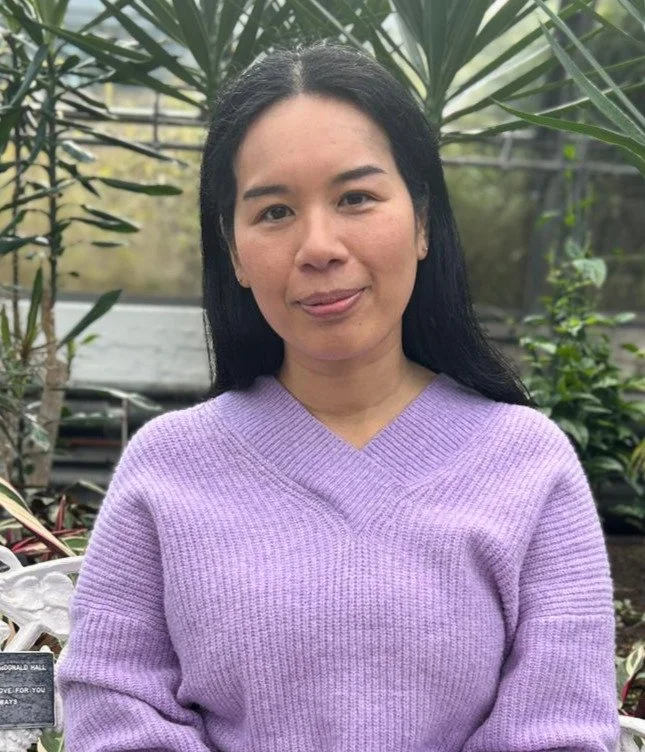
Hi, I’m Vipanan
For a long time, I was interested in ideas like ‘trust yourself’ or ‘be yourself’ because I didn’t feel a strong or clear connection to myself.
I wasn’t interested in these ideas as abstract concepts. I wanted to understand what they actually meant in everyday life, especially when someone feels disconnected, uncertain, or unsure of who they are.
Over time, I became more aware of patterns in my own experience, particularly around overthinking, emotional fatigue, and the pressure to meet expectations in ways that did not feel sustainable.
This curiosity about how people understand themselves, especially when life feels emotionally complex, overwhelming, or unclear, eventually led me into counselling.
I believe people can lose connection with themselves while coping with life’s demands. My purpose is to help people feel heard, understood and accepted, so they can explore their experiences, develop greater self-awareness and create meaningful change.
My training and therapeutic background
I am a qualified pluralistic counsellor and psychotherapist with over 8 years of counselling experience working with adults and young people.
I have supported adults and young people experiencing difficult emotions, life challenges, and times when they have felt overwhelmed or stuck.
My counselling training includes Psychodynamic theory, Person-Centred counselling and Cognitive Behavioural Therapy (CBT).
Alongside this, my practice is influenced by:
mindfulness and present-moment awareness
mechanics of change
trauma-informed ways of working that prioritise safety, pace and choice
I see each person as a whole, recognising that our emotional wellbeing is shaped by many parts of our lives, including our relationships, thoughts, emotions, daily routines, rest, nutrition and social connections.
Psychology is an important part of how I understand people but my own experiences have also led me to explore perspectives beyond conventional psychological explanations. I’m interested in both and I’m curious about what might be meaningful to you and your own experience.
Rather than following one fixed approach, I draw on different therapeutic ideas depending on what feels most helpful for the person I am working with.
Understanding emotional patterns
Many emotional and behavioural patterns people bring to therapy, such as overthinking, people-pleasing, emotional exhaustion or feeling disconnected from themselves, are not signs that something is wrong with them.
Often, these patterns developed as ways of coping with earlier experiences, relationships or environments where they once made sense.
In therapy, we explore these patterns with curiosity rather than judgement, creating space to understand them and develop new ways of responding.
How meaningful change happens
I strongly believe that meaningful change is possible. I work collaboratively with clients to develop a deeper understanding of themselves, recognise patterns, explore what matters to them, and identify what may help them move forward.
I also place importance on strengths, personal agency and self understanding, adapting the therapeutic process to each person's individual needs, circumstances and goals. Together, we can explore what feels right for you and what kind of change you are ready to make.
Neurodivergence and individual differences
My work is neuro-affirming, meaning I welcome people with different ways of thinking, feeling and experiencing the world.
I do not view neurodivergent traits as something that needs to be corrected or removed. Instead, we will work together to understand your experiences, ease difficulties where possible, and find ways of living that feel right for you.
Together, we may explore how your thoughts, emotions, body, relationships and everyday life affect your wellbeing, particularly if stress, overwhelm or burnout are part of your experience.
Whether you identify as neurodivergent, neurotypical, or are still exploring this part of yourself, therapy is shaped around your individual needs and what helps you feel more supported in everyday life.
Free 20-minute introductory call available
Professional Credentials & Memberships
Qualified Pluralistic Counsellor & Psychotherapist with over 8 years of counselling experience
Full professional indemnity and public liability insurance
Registered PVG Scheme member through Disclosure Scotland
Registered with the Information Commissioner’s Office (ICO) for data protection compliance (Registration number: ZC106802)
MBACP (Registered Member of the British Association for Counselling and Psychotherapy)